


AFLEX
Kenya - 2027

International Exhibition & Conference on Footwear, Bags, Luggage, Accessories & Leather Products, Machinery, Manufacturing Technology, Components and Raw Material

21–23 April 2027

Kenyatta International Convention Centre (KICC), Nairobi, Kenya

India Pavilion by

SHOWCASING THE BEST IN CLASS – AFLEX 2027

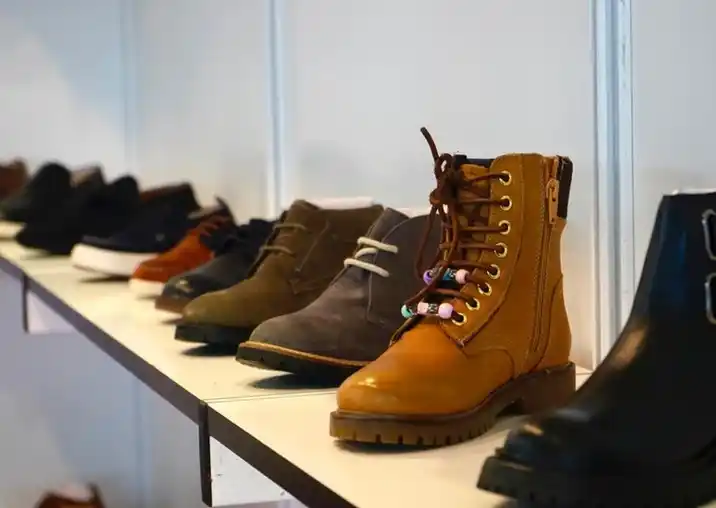
AFLEX 2027 brings together the finest in Footwear, Bags, Luggage, Accessories & Leather Products, Machinery, Manufacturing Technology, Components and Raw Material, creating a dynamic platform for industry leaders, innovators, manufacturers, and emerging brands.

  • Footwear Machinery & Equipment
  • Tanning Machinery & Equipment
  • Machinery for Leathergoods
  • Knitting Machinery
  • Footwear Chemicals, Shoe Finishes & Adhesives
  • Raw Material Chemicals
  • Footwear Raw Material & Chemical
  • Vegan Leather Products
  • Bag/Belt/Luggage Machinery
  • Injection Machinery for Footwear
  • Men's Shoes
  • Women's Shoes
  • Children's Shoes
  • Sneakers
  • Boots
  • Sports Shoes
  • Classic Shoes
  • Casual Shoes
  • Industrial / Protective Shoes
  • Equestrian Shoes, Saddles & Accessories
  • Vegan / Sustainable ware
  • Gifts & Fashion Accessories
  • Belts / Pouches / Gloves
  • Purses and Wallets
  • Women's Bags
  • Men's Bags
  • Backpacks
  • Suitcases
  • Shoe Components
  • Finished Leather
  • Synthetic leather products
  • Leather & Non leather footwear

AFLEX KENYA 2027

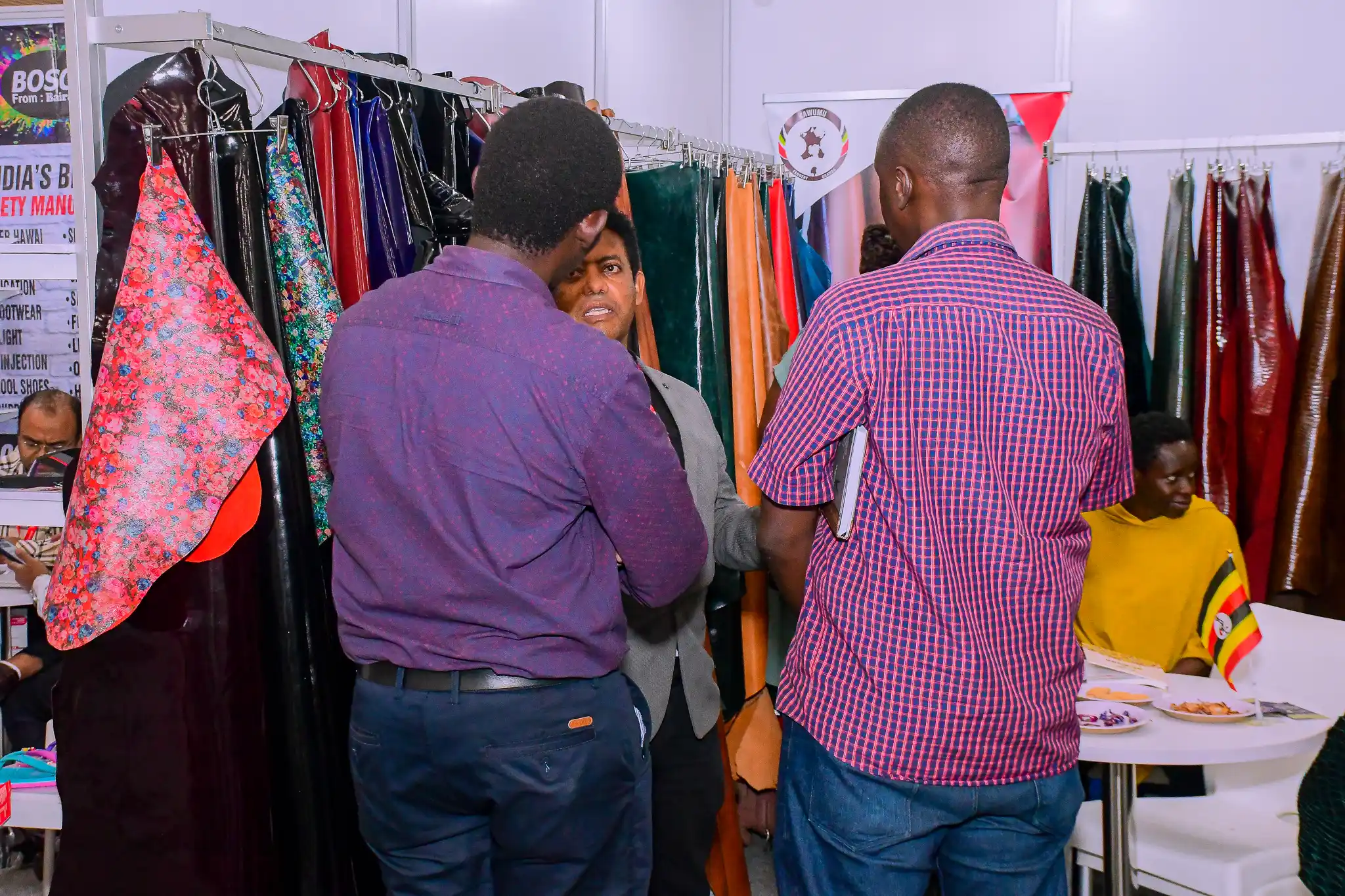
AFLEX – Africa International Exhibition for Footwear, Leather, Bags, Textiles & Apparel is a professional B2B platform connecting international manufacturers, exporters, brands, suppliers and technology providers with buyers, importers, distributors, retailers and industry professionals across Kenya and the wider African market.

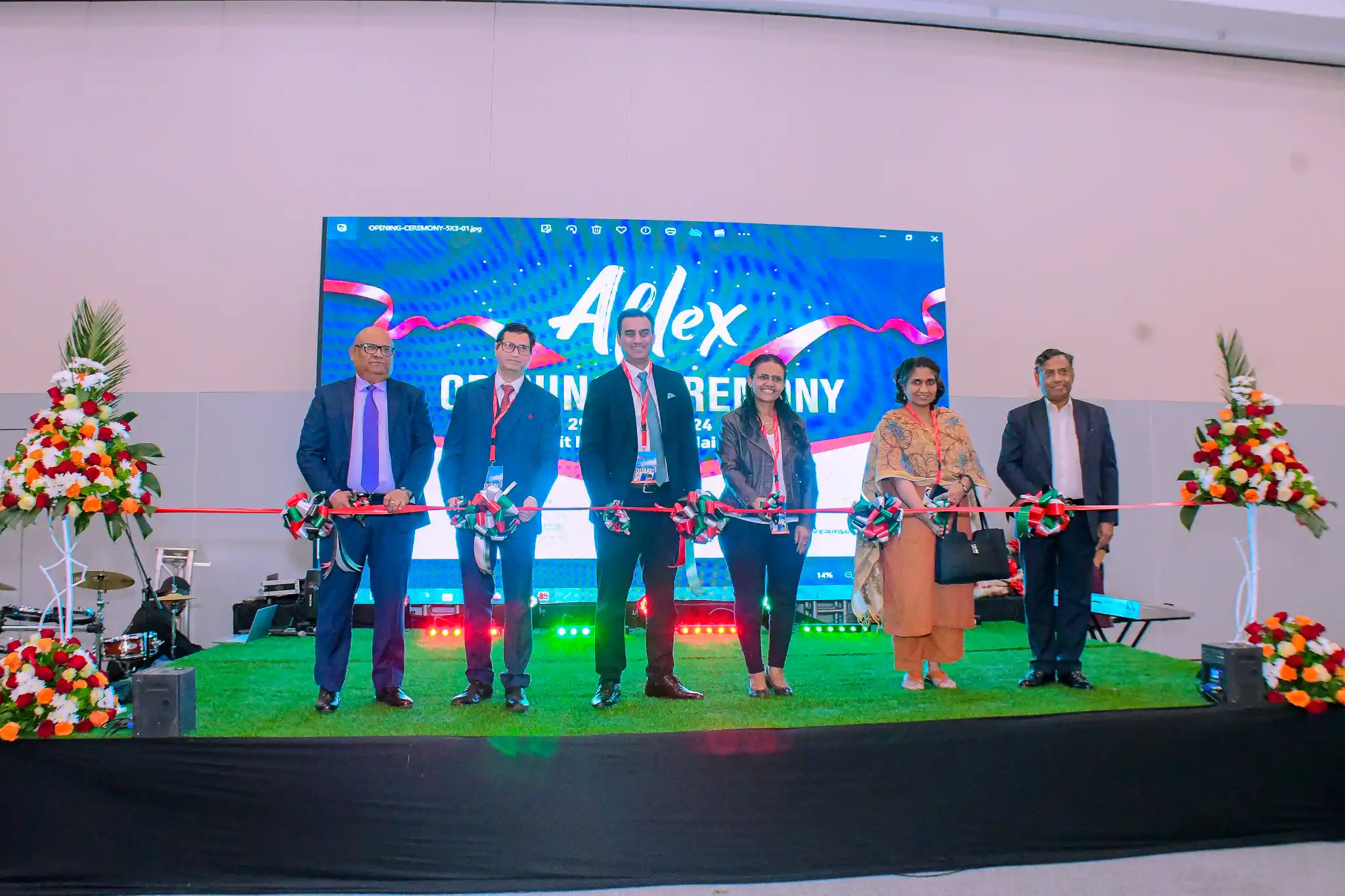
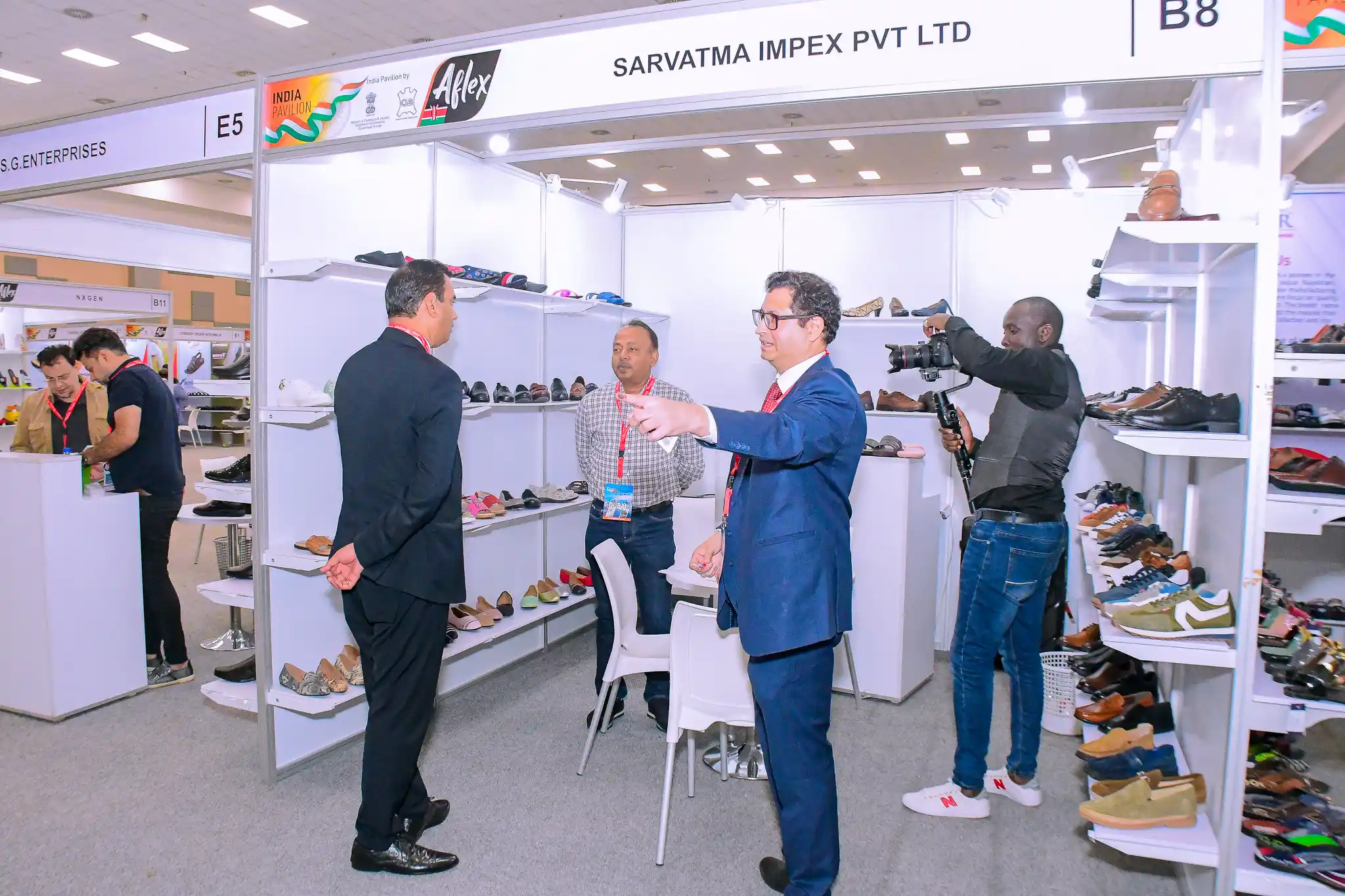
Building on its successful 2024 edition in Nairobi, AFLEX brings together the complete value chain across footwear, leather, finished leather, bags, fashion accessories, components, materials, machinery and manufacturing technology. The 2024 edition welcomed 68 exhibitors and brands, 327 buyers and 792 buyers and business visitors, generating 842 B2B meetings with participation from six exhibiting countries and visitors from nine countries.

AFLEX 2027 expands this platform further to include textiles and apparel, creating a broader sourcing and business environment for companies looking to enter, expand or strengthen their presence in the East African market.

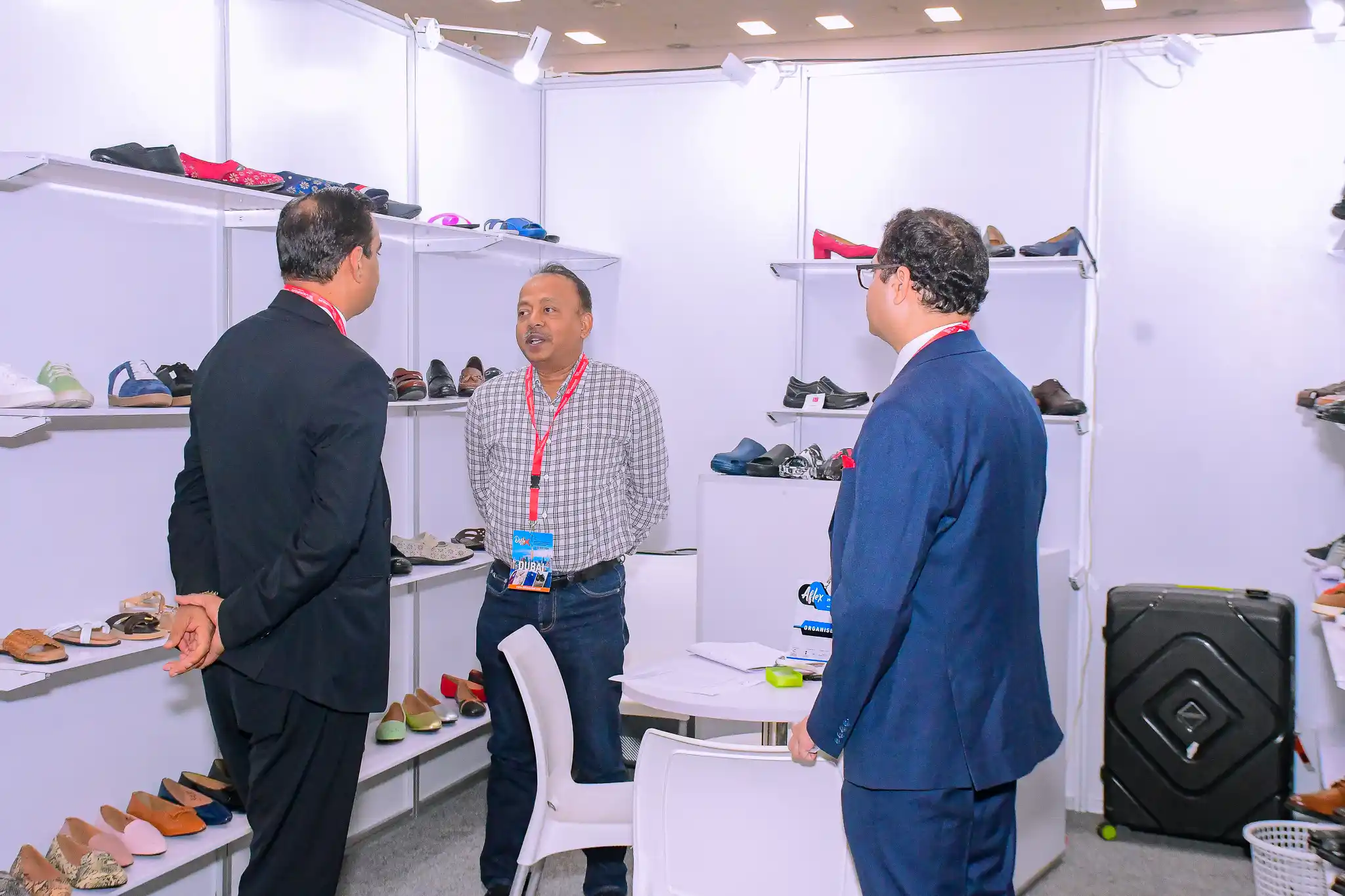
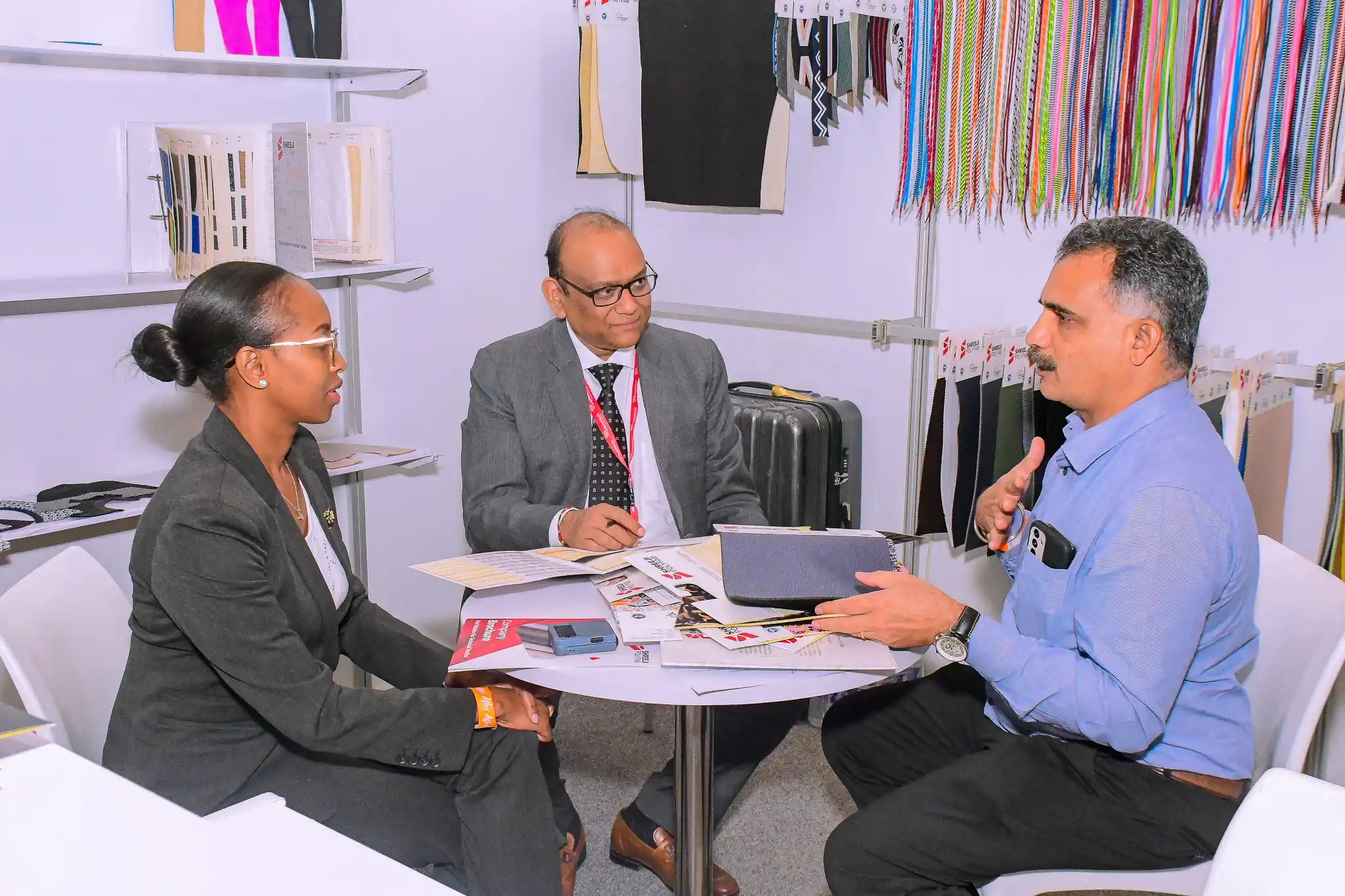
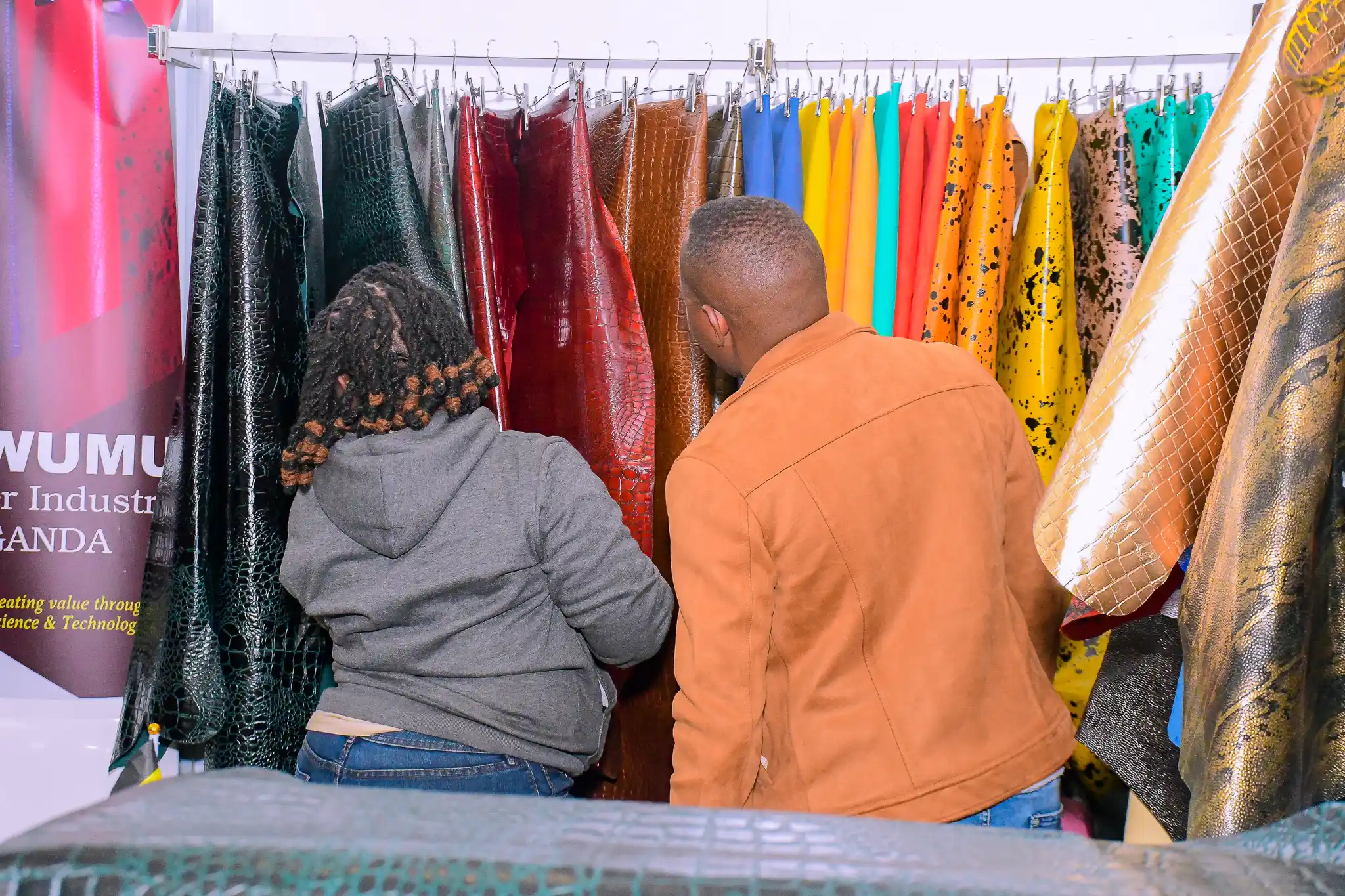
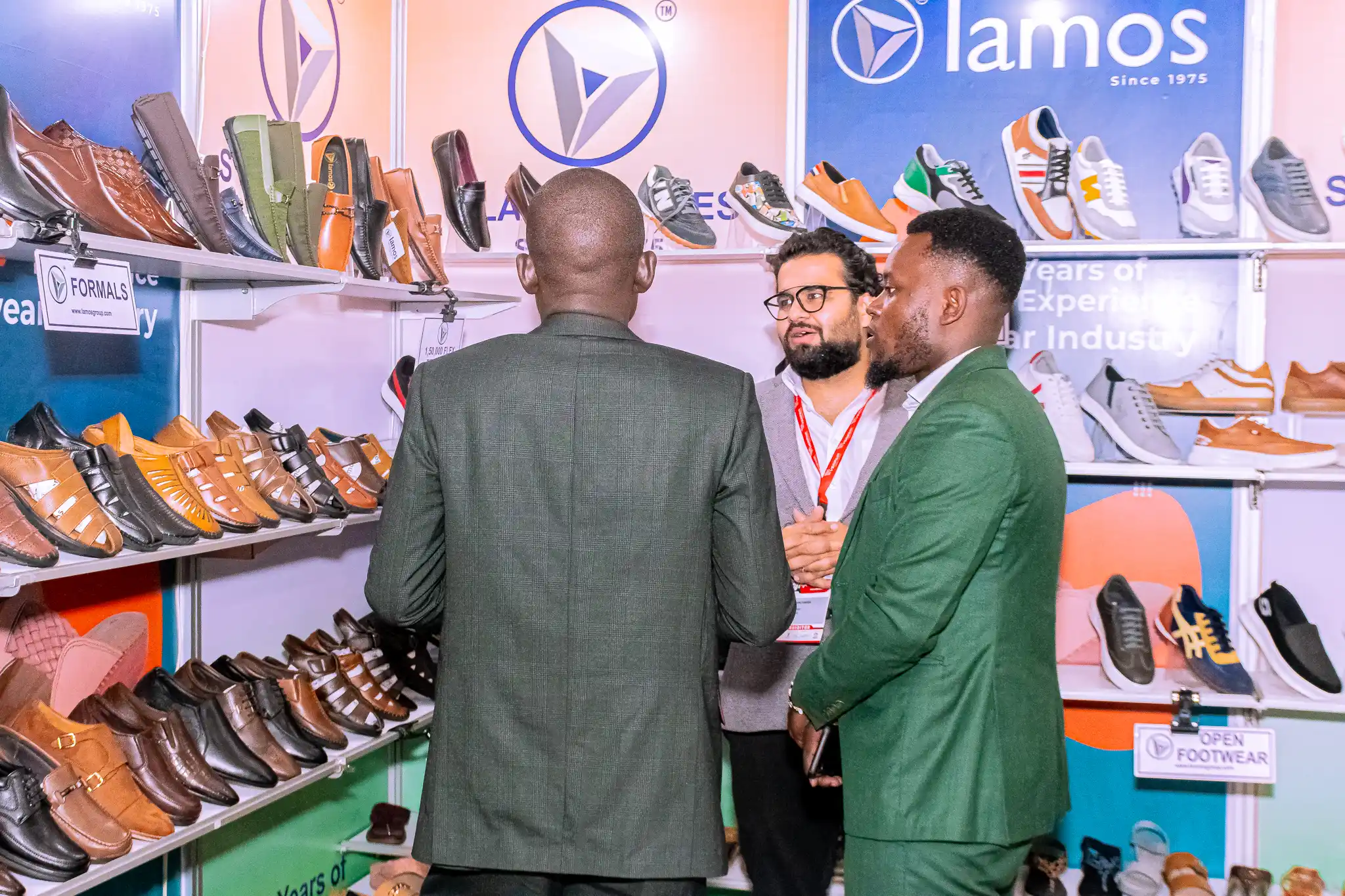
GLIMPSES OF AFLEX

View More
Market Overview · Africa

African Leather Industry:
Market Overview & Growth Opportunities

The leather industry is a strategically important sector for the economic and industrial development of many African countries. With an abundant and renewable resource base supported by the continent's substantial population of cattle, sheep and goats, Africa has considerable potential to develop a competitive leather manufacturing industry.

Africa's leather industry offers opportunities across the entire value chain, from raw hide and skin collection to tanning, finished leather production and the manufacturing of high-value leather products. However, much of the continent's potential remains untapped, as several countries continue to export raw hides, skins and semi-processed leather rather than finished products.

Growth Drivers Across Africa's Leather Industry

01

Abundant Raw Material Availability

Africa's substantial livestock resources provide a strong foundation for developing leather processing and manufacturing industries. Improving the collection, grading, preservation and supply of hides and skins can strengthen raw material availability for local tanneries and manufacturers.

02

Growing Demand for Footwear and Leather Products

Population growth, urbanisation, expanding retail networks and changing consumer preferences are creating opportunities for affordable and premium footwear, handbags, belts, luggage and other leather accessories.

03

Industrialisation and Local Manufacturing

Several African countries are prioritising domestic manufacturing to reduce dependence on imported finished products, strengthen industrial capabilities and generate employment. Leather and footwear manufacturing can play an important role in these industrialisation strategies.

04

Export and Regional Trade Opportunities

African manufacturers can explore opportunities in regional and international markets through improved logistics, trade partnerships and stronger manufacturing capabilities. The African Continental Free Trade Area (AfCFTA) also provides a framework for expanding intra-African trade.

05

Foreign Investment and Technology Transfer

The development of modern tanneries, footwear factories, processing facilities and industrial parks creates opportunities for international investors, machinery manufacturers, technology providers and established global leather brands.

Market Overview · Kenya

Kenya Leather Industry:
Market Overview & Growth Opportunities

Kenya's leather industry is an emerging manufacturing sector with significant potential across footwear, leather processing, handbags, travel goods and accessories. The country is focused on transforming its livestock-based raw material advantage into a competitive hub for finished leather products and value-added manufacturing.

Supported by a substantial livestock population, growing domestic demand, government-led industrialisation initiatives and access to regional and international markets, Kenya offers promising opportunities for local manufacturers, international investors, exporters and technology providers.

The government has identified leather and leather products as a priority value chain under its industrial development agenda, with a focus on increasing local value addition, strengthening manufacturing capabilities, generating employment and reducing dependence on imported finished products.

Strategic Geographical Location

Kenya is strategically located in East Africa, along the eastern coastline of the African continent, bordering the Indian Ocean. Its geographical position makes it an important gateway connecting Europe, Africa and the Middle East through established international maritime trade routes and air connectivity.

With access to the Port of Mombasa and international business connectivity through Nairobi, Kenya offers strong potential as a regional hub for international trade, logistics, manufacturing and distribution.

For the global footwear and leather industry, this strategic location provides international manufacturers, exporters and investors with opportunities to establish business connections, access emerging markets and expand their reach across Europe, Africa and the Middle East.

Kenya Leather Industry: Key Statistics

13 Operating tanneries
22 Medium & large-scale manufacturers
~400 Micro, Small & Medium Enterprises

Kenya's leather sector has an established industrial foundation and significant potential for growth across leather processing, footwear and finished leather product manufacturing. The industry comprises 13 operating tanneries, approximately 22 medium and large-scale manufacturers, and around 400 Micro, Small and Medium Enterprises (MSMEs). Its major products include footwear, leather accessories, belts, sandals and finished leather products, highlighting the sector's existing manufacturing capabilities and opportunities to expand production, strengthen local value addition and attract investment across the leather value chain.

Growth Opportunities

Growth Opportunities in
Kenya's Leather Industry

Kenya offers significant business and investment opportunities across the leather and footwear value chain for international manufacturers, suppliers, investors and industry stakeholders. With growing demand for leather products, government-led industrial development initiatives and ambitions to strengthen local manufacturing, the country presents opportunities across several key segments.

01

Footwear Manufacturing

Growing domestic and regional demand for school shoes, safety footwear, sandals, boots and fashion footwear creates opportunities for manufacturers to establish new production facilities or expand existing operations in Kenya.

The country's investment roadmap identifies the potential to increase footwear production from approximately 8 million pairs to more than 40 million pairs by 2040, reflecting Kenya's long-term ambitions to strengthen its footwear manufacturing capabilities.

02

Leather Processing and Tanning

Investment in modern tanneries, advanced finishing technologies and processing equipment can help improve the quality, consistency and availability of locally processed finished leather. This presents opportunities for technology providers, equipment suppliers and investors to strengthen Kenya's leather processing capacity and support greater local value addition.

03

Handbags, Luggage and Leather Accessories

Growing demand for fashion products, handbags, wallets, belts, travel bags and lifestyle accessories offers opportunities for local brands and international manufacturers to expand production and introduce new product lines. This segment also presents potential for design innovation, product diversification and export-oriented manufacturing.

04

Shoe-Making Machinery and Technology

The development of Kenya's footwear manufacturing sector creates demand for modern machinery and production technologies. Suppliers of automated cutting machines, stitching equipment, moulding technologies, finishing machinery, testing equipment and production software can explore opportunities to support manufacturers in improving productivity, quality and operational efficiency.

05

Raw Materials and Components

As local manufacturing expands, demand is expected to grow for essential raw materials and production components. Suppliers of natural and synthetic leather, soles, adhesives, buckles, zippers, threads, chemicals and other footwear components can explore opportunities to become part of Kenya's developing manufacturing ecosystem.

06

Sustainable Leather Manufacturing

Investment in cleaner tanning technologies, wastewater treatment systems, efficient chemical management and resource-efficient production processes can support the development of a more sustainable leather industry. These solutions can help manufacturers improve environmental performance while aligning their operations with international environmental and quality standards.

07

International Trade and Export Opportunities

Kenya's strategic location in East Africa, access to the Port of Mombasa and regional trade connections offer opportunities for manufacturers and exporters to serve neighbouring East African markets and explore wider African and international markets. Strengthening local production capabilities and product quality can further support the country's ambitions to expand its presence in regional and global leather and footwear trade.

Business Case

Why International Companies
Should Explore Kenya?

Kenya presents an attractive business and investment destination for international companies seeking to enter or expand their presence in Africa's leather and footwear industry. The country's livestock-based raw material resources, developing manufacturing capabilities and government-led industrialisation initiatives create opportunities for businesses across the leather value chain.

Key advantages include:

Access to Raw Materials

A substantial livestock base provides access to hides and skins, supporting opportunities in leather processing and manufacturing.

Emerging Manufacturing Industry

A developing domestic footwear and leather goods sector offers opportunities for manufacturers, suppliers and investors.

Government Support

Industrialisation initiatives and policies promoting local value addition aim to strengthen domestic manufacturing capabilities.

Specialised Industrial Infrastructure

The development of dedicated leather industrial facilities is expected to support integrated processing and manufacturing activities.

Partnership Opportunities

International companies can explore joint ventures, technology transfers, manufacturing collaborations and strategic partnerships with local businesses.

Regional Market Access

Kenya's strategic location and regional trade connections offer opportunities to serve markets across East Africa.

Export Potential

Expanding local production capabilities can create opportunities to develop export-oriented footwear and finished leather goods manufacturing.

Kenya: An Emerging Destination for Leather Industry Investment

Kenya is positioning itself as an emerging destination for leather and footwear manufacturing in Africa. Its substantial livestock resources, government-backed industrial development initiatives, proposed leather industrial infrastructure and growing focus on value addition create promising opportunities across the entire leather value chain.

© 2027 Copyright: aflexonline.com

WhatsApp Us